
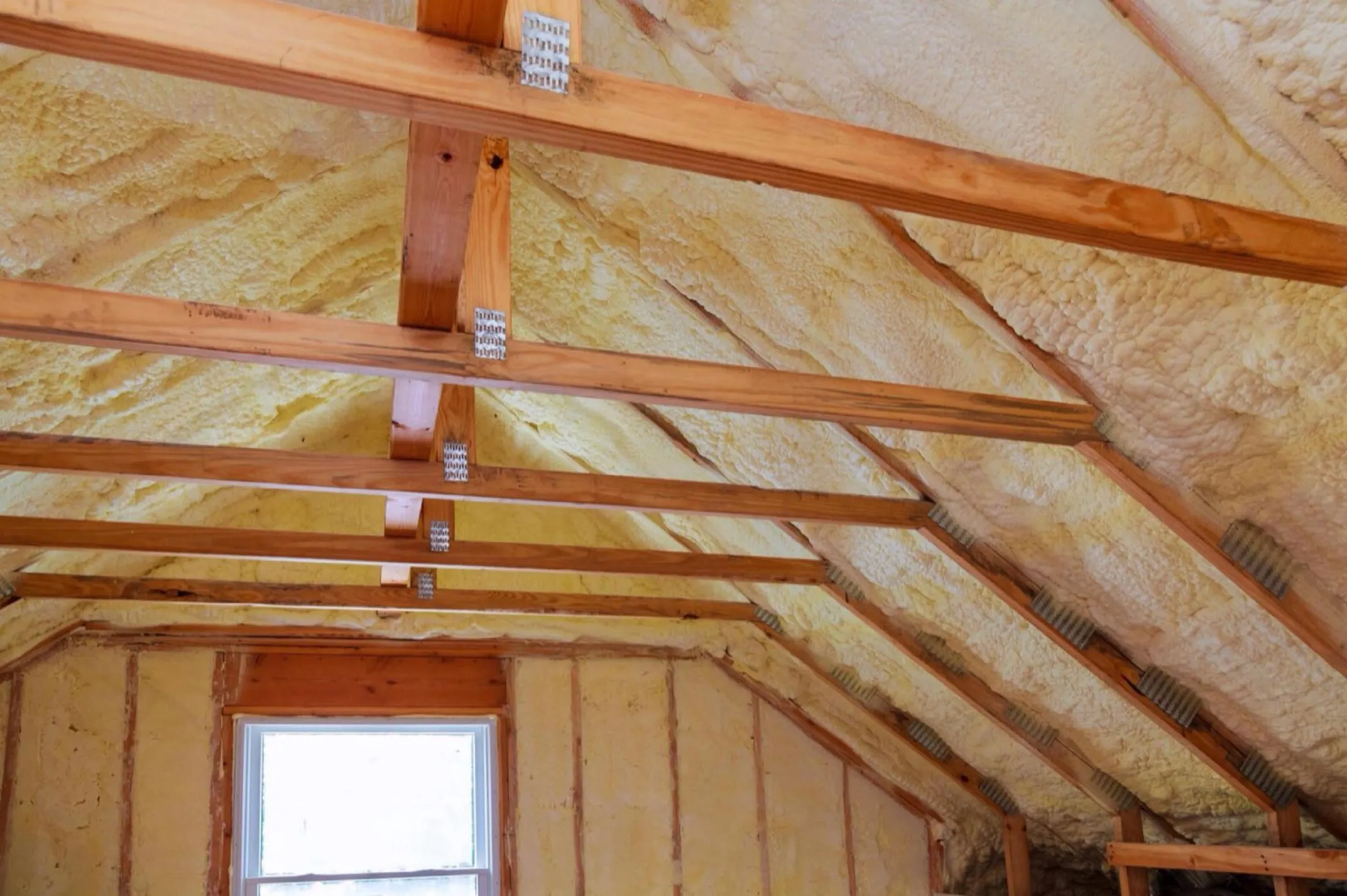
Blow-In Insulation in Arizona
Blown-in loose-fill insulation that fills Arizona attics and enclosed cavities for better, more even coverage.
Blow-in insulation is a practical way to add attic coverage in Gilbert and nearby East Valley communities. Loose-fill fiberglass or cellulose is blown across the attic floor, filling around joists, wiring, ductwork, and framing details that are hard to cover evenly with fitted pieces.
Absolute Insulation Group installs blown-in insulation for residential and commercial properties in Gilbert, Chandler, Mesa, Queen Creek, San Tan Valley, and Tempe. Material choice and installed depth depend on the existing insulation, access, ventilation, and project goals.
How Blown-In Insulation Works
Compressed insulation is loaded into a blowing machine, broken apart, and sent through a hose into the work area. The installer directs the material across the attic floor or into approved enclosed cavities until the planned coverage is reached.
Because the material is loose, it can settle around cross bracing, electrical runs, plumbing stacks, duct lines, and corners near the eaves. That creates a continuous blanket across spaces where rigid or pre-cut insulation may leave gaps.
Where Blow-In Insulation Fits Best
Blow-in insulation is most common on open attic floors, especially when existing coverage has settled, shifted, or been disturbed by prior work. It can also be used in certain enclosed cavities where loose fill can be installed through small access points.
For many homes around Gilbert, Chandler, and Mesa, the attic is one of the most accessible places to improve thermal coverage without opening finished walls. That makes blown-in material a frequent starting point for owners who want a focused insulation upgrade.
R-Value, Depth, And Settling
Loose-fill performance depends heavily on installed depth. Installers measure the material in inches across the attic floor and confirm that coverage is even, because low spots can reduce performance in the areas that need protection.
Some settling is normal with loose-fill products. Cellulose in particular can compact over time, so the estimate should account for expected settled depth and make clear what the material is intended to do.
Blow-In Insulation Versus Batts
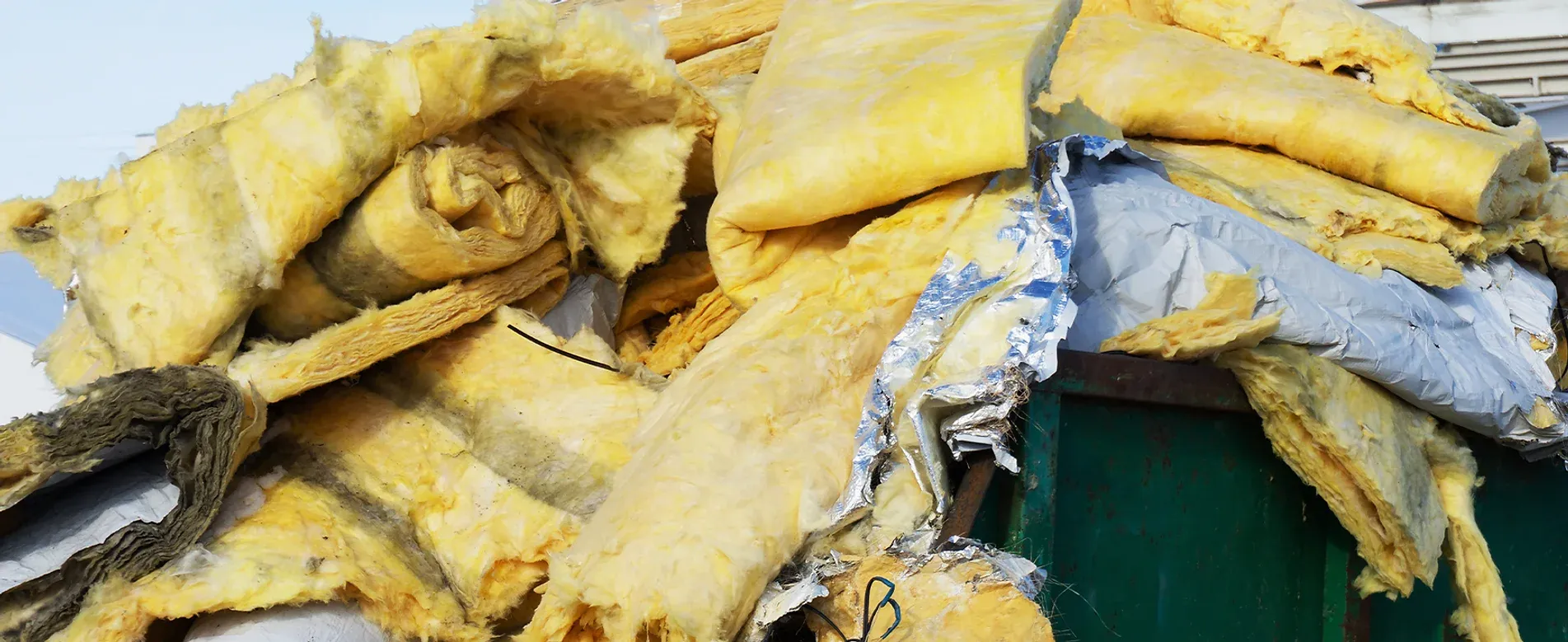
Batt insulation comes in rolls or panels that must be cut and fitted around framing. In clean, open cavities, that can work well. In crowded attics, every wire, brace, junction box, or angle creates another place where a batt can be compressed or leave a void.
Blown-in material avoids much of that cutting and fitting. It lands as a loose layer and can cover irregular attic floors more evenly, which is why it is often recommended when the space is accessible but full of obstructions.
Blow-In Insulation Versus Spray Foam
Blow-in insulation and spray foam are different tools. Loose-fill adds thermal resistance across an attic floor, but air sealing around top plates, lights, and penetrations may need to be handled separately.
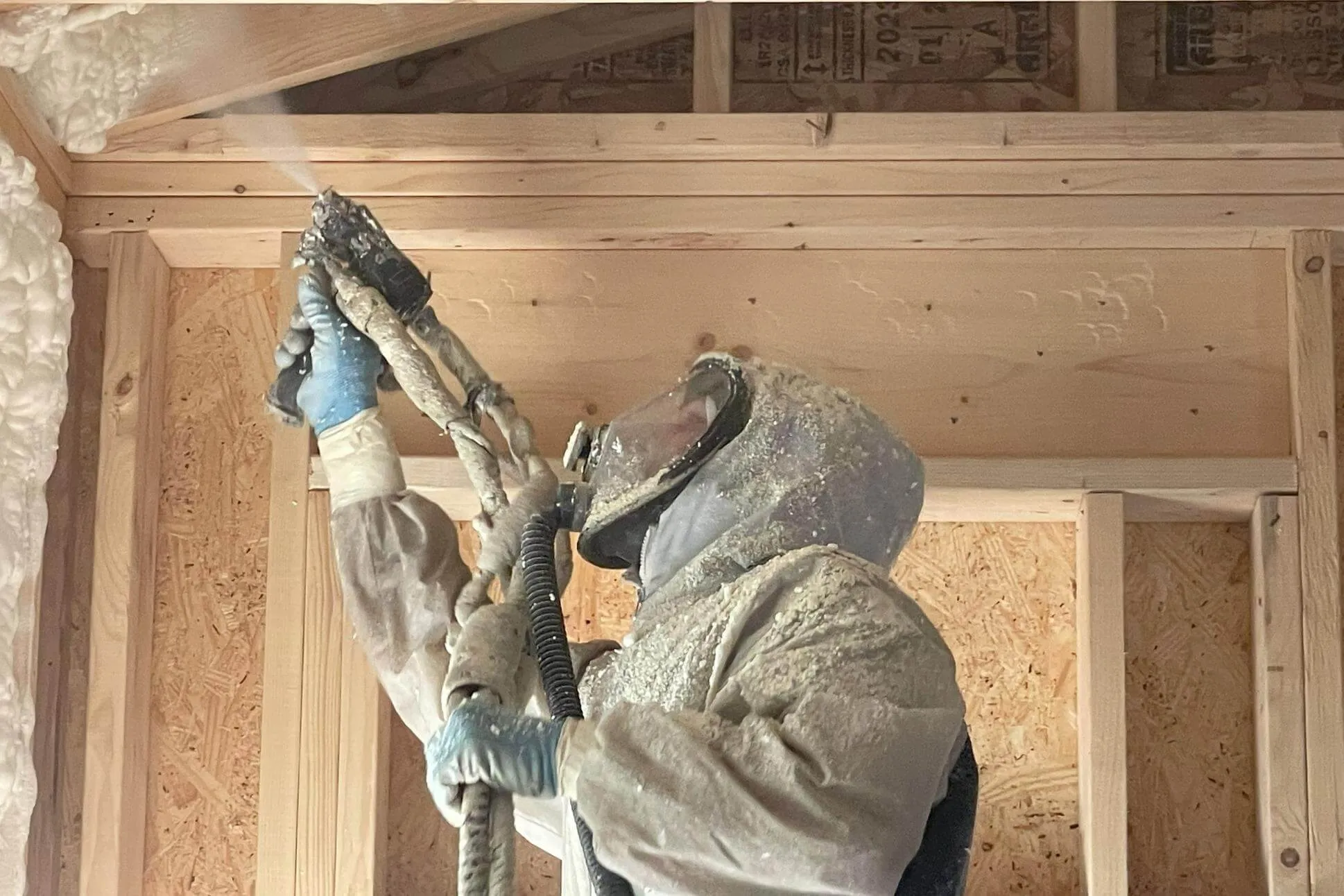
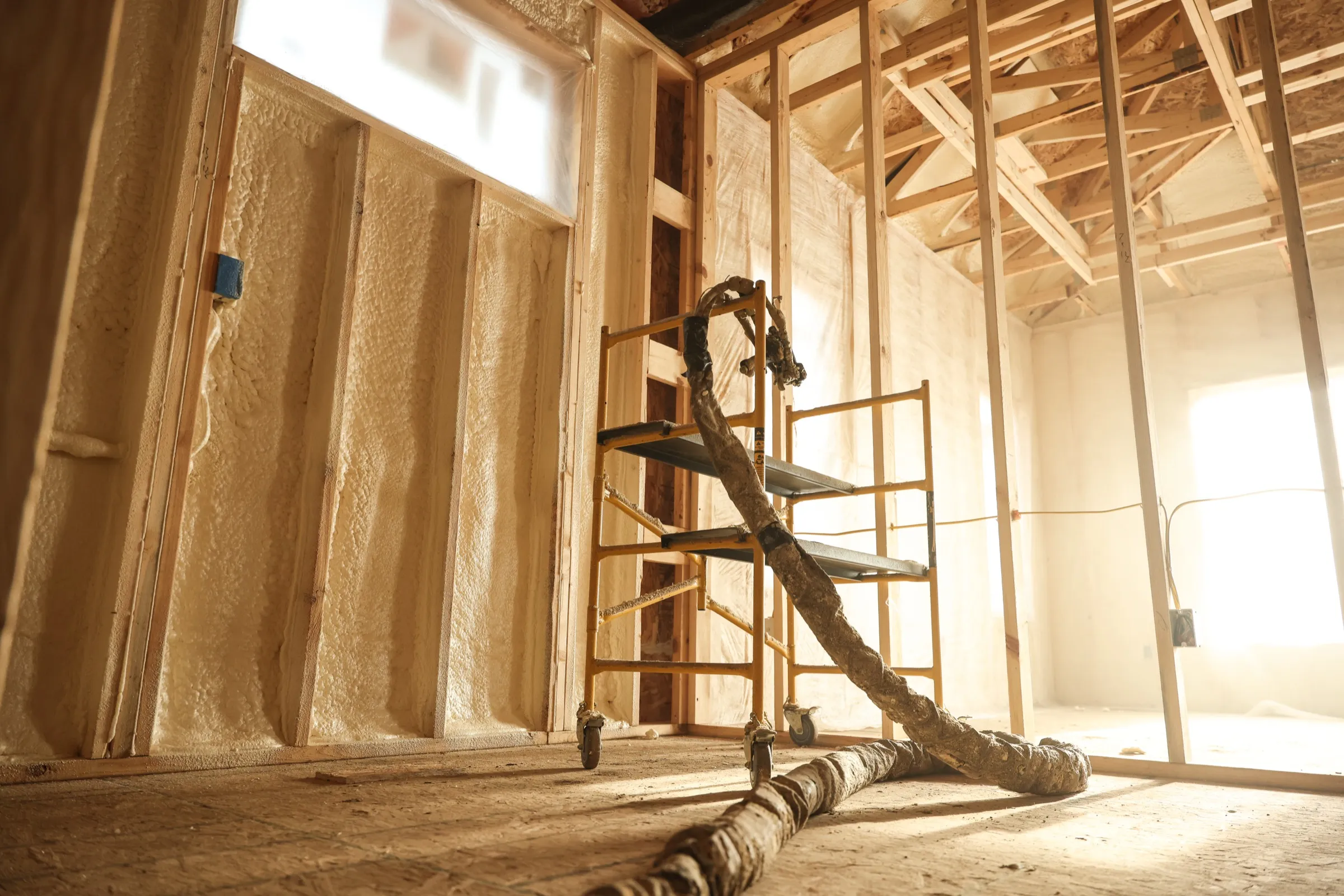
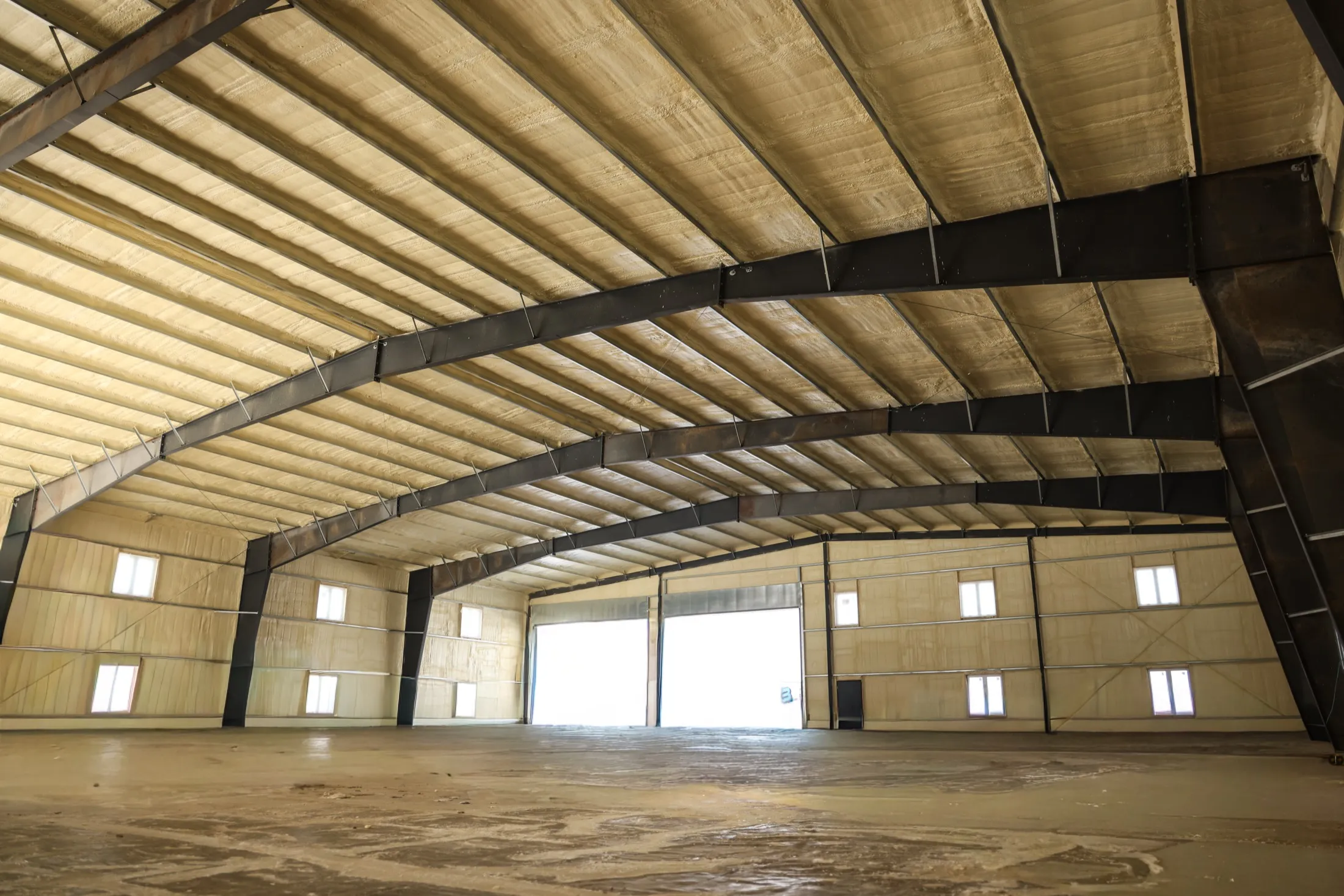
Spray foam can add insulation and air sealing in one application and is often considered for rooflines, rim areas, metal buildings, and irregular assemblies. Blow-in insulation is often a practical choice for open attics, and a useful estimate should explain which option fits the building.
What A Free Estimate Covers
A free estimate can review current attic insulation levels, visible gaps, target depth, material options, access conditions, ventilation, and whether air sealing or removal should be included before new material is installed.
You can also discuss comfort concerns in specific rooms, attic areas disturbed by previous work, or whether blown-in insulation, batts, radiant barrier, or spray foam is the right next step. The scope should be based on the actual condition of the space.
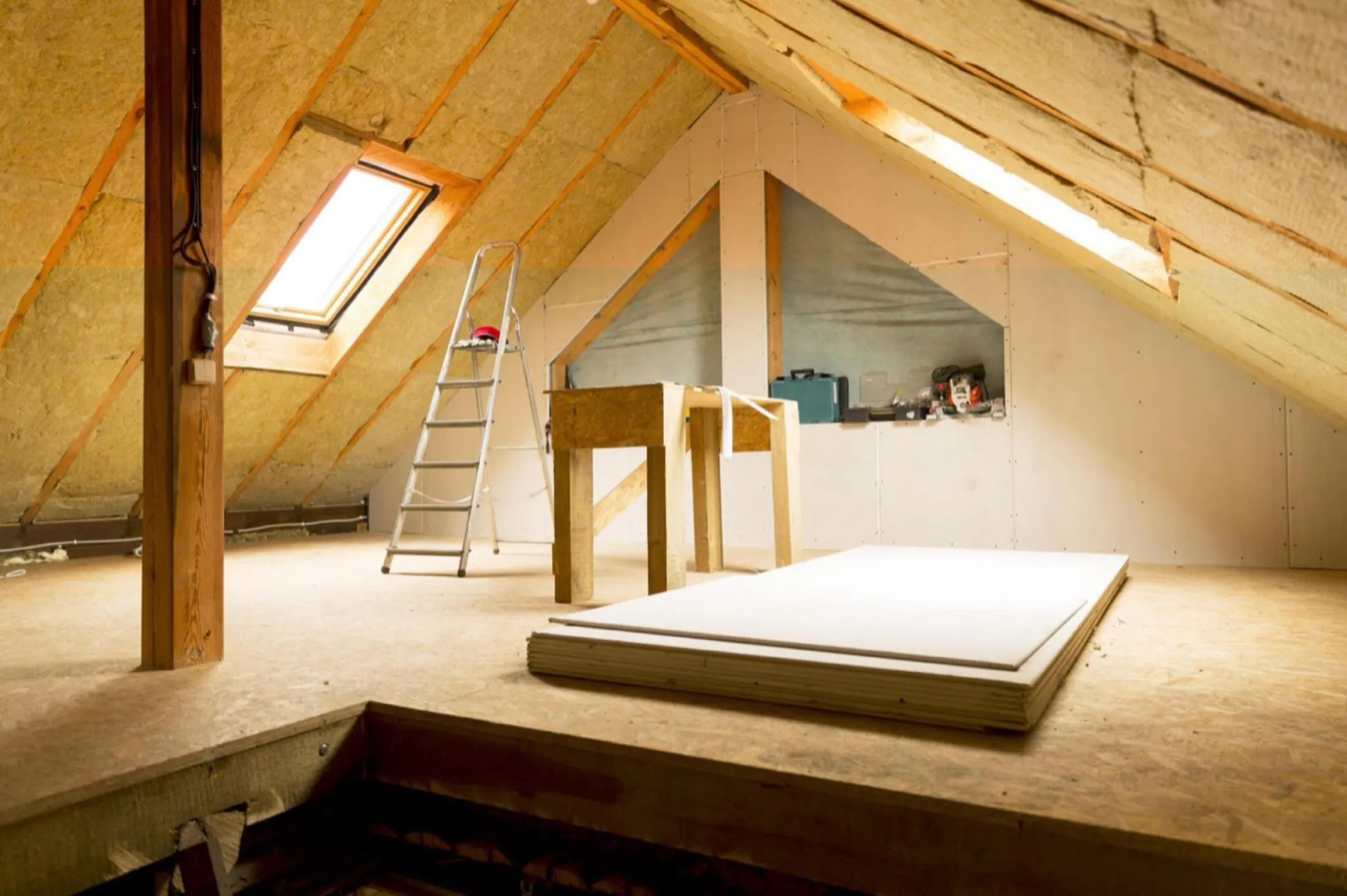
Spray Foam in Action
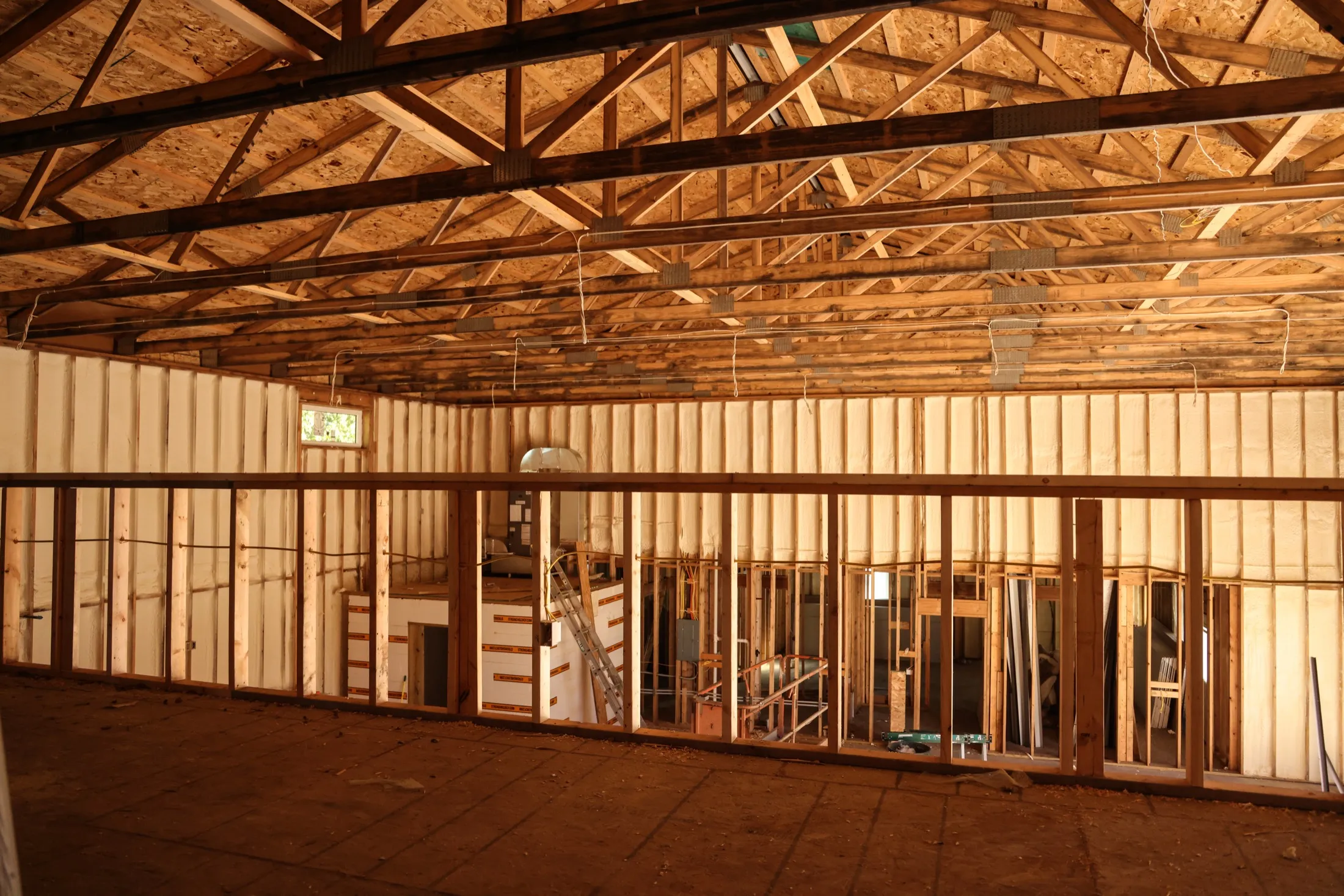
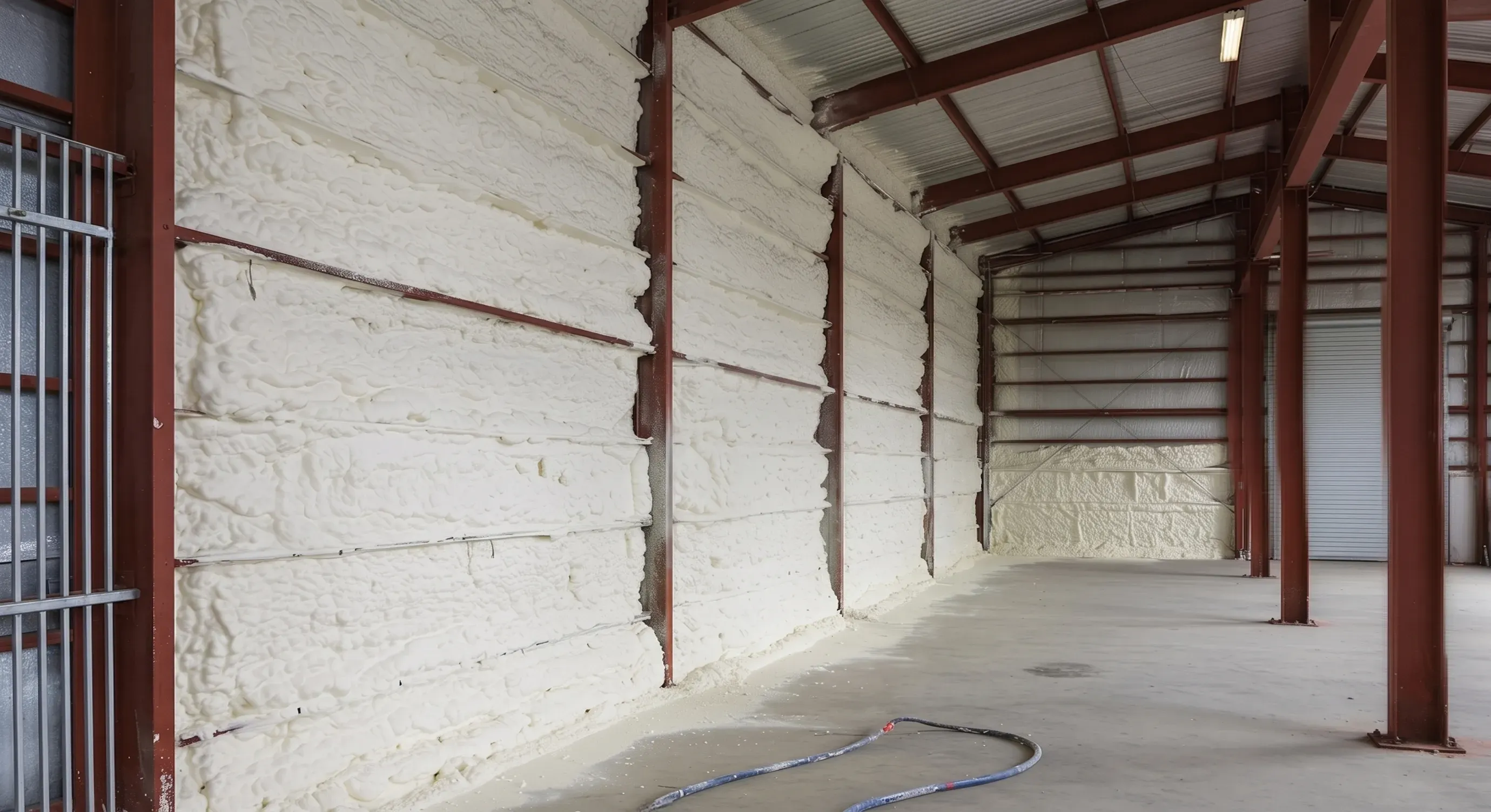
Other Insulation Services
Common Questions
Is blow-in insulation a good fit for Gilbert-area buildings?
Yes. Blow-In Insulation works well for many Gilbert-area homes and commercial buildings, but the right choice depends on the space, the assembly and how it is used. During a free estimate we confirm whether blow-in insulation or another option fits your building.
How much does blow-in insulation cost?
Cost depends on the area being treated, the material and thickness, access and prep. Estimates are free and given in writing, so you know the price before any work begins.
How long does a blow-in insulation project take?
Most projects are completed quickly once scheduled. Your written estimate includes the expected timeline for your specific Gilbert-area project.
Want to Know What Your Project Would Cost?
Tell us about the property and we'll help you determine the next step.
Free Estimates • Residential & Commercial • Local Arizona Team